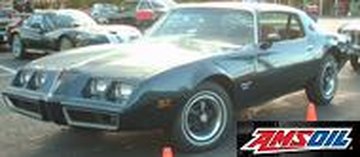
Engine Lubrication and Maintenance for the 1981 Pontiac FIREBIRD 4.9L
Maintaining a vehicle from the early 1980s requires a shift in perspective compared to modern automotive care. For owners of a 1981 Pontiac FIREBIRD equipped with the 4.9L engine, routine service is not just about following a schedule; it is about monitoring the physical condition of aging components and ensuring that the lubrication system remains effective under varying operating conditions.
Monitoring Fluid Integrity and Potential Leaks
One of the most practical aspects of maintaining an older engine is performing regular visual inspections. Over time, various seals and gaskets may undergo changes in elasticity due to heat cycles and age. Rather than assuming a component has failed, it is more effective to look for evidence of seepage or active leaks during every routine service.
When inspecting the engine bay, pay close attention to the areas surrounding major sealing surfaces. The presence of dark, oily residue or fresh fluid droplets on the underside of components can indicate that a seal is beginning to lose its effectiveness. Similarly, checking the area around the oil pan and the base of the engine can help identify slow leaks before they become significant issues. If you notice any unexpected fluid accumulation, it warrants a closer investigation to determine the exact source.
It is also useful to monitor the appearance of the lubricant itself. While some discoloration is normal as oil ages and collects microscopic debris, extreme changes in color or a strong, unusual odor can be indicators that the oil has been subjected to excessive heat or has become contaminated. Consistent monitoring allows you to address minor seepage or fluid degradation before they escalate into more complex mechanical concerns.
Observing Operational Indicators
Beyond visual inspections of the engine bay, the way the vehicle behaves during operation provides critical information regarding its lubrication health. Owners should remain observant of any changes in how the 4.9L engine runs or sounds.
Unusual mechanical noises can sometimes be associated with lubrication issues. While many sounds have various potential causes, a change in the typical acoustic profile of the engine should not be ignored. Furthermore, if you notice an increase in lubricant consumption—requiring more frequent top-offs between service intervals—this is a clear sign that the engine's sealing or internal components require professional attention.
If your vehicle is equipped with oil pressure indicators, pay close attention to their behavior. Any unexpected movement of a pressure gauge or the illumination of a warning light requires immediate investigation. It is important to remember that these symptoms can have multiple causes, ranging from sensor issues to actual changes in lubrication flow, so professional diagnosis is essential when such signs appear.
Prioritizing Long-Term Engine Care
As a vehicle ages, the strategy for maintenance should transition from purely reactive repairs to a more proactive, condition-based approach. For a 1981 Pontiac FIREBIRD, this means establishing a clear baseline of what "normal" looks like for your specific engine.
If you do not have a complete service history for the vehicle, your first priority should be to document its current state. This involves recording the results of fluid checks, noting any observed leaks, and keeping a log of when components were last serviced. Having a reliable record allows you to distinguish between a new issue and a long-standing characteristic of the engine.
When deciding where to allocate maintenance efforts, address active concerns first. An active leak or a noticeable change in fluid condition should take precedence over general preventive tasks. By focusing on these immediate indicators, you can manage the aging process of the 4.9L engine more effectively. Additionally, keep an eye on peripheral components such as accessible belts (if equipped) and hoses for signs of cracking, glazing, or brittleness, as these can impact the overall reliability of the vehicle.
The Role of High-Mileage Formulations
For engines that have seen significant years of service, the choice of lubricant becomes a more nuanced decision. Some high-mileage oil formulations are specifically designed with additives intended for use in aging engines. These formulations may include seal-conditioning additives that are meant to help maintain the integrity of various gaskets and seals.
While these products can be a helpful tool in a maintenance strategy, they are not a substitute for addressing mechanical failures or significant leaks. They are best used as part of a broader approach to managing an older engine's lubrication needs. When considering these options, always ensure the product is compatible with the specific requirements of your application.
Effective Record Keeping for Ownership
Maintaining a detailed history of all repairs and fluid changes is one of the most valuable actions an owner can take. For a classic vehicle like the 1981 Pontiac FIREBIRD, service records serve two purposes: they help you track the health of the engine, and they provide proof of care should you ever decide to pass the vehicle on to a new owner.
A good maintenance log should include:
- The date of every oil change and the type of lubricant used.
- Detailed notes on any observed leaks or seepage during inspections.
- Records of replaced parts, such as filters, belts (if equipped), or hoses.
- Observations regarding engine performance or unusual noises.
By maintaining this level of detail, you move away from guesswork and toward a data-driven method of vehicle ownership, allowing you to make informed decisions about when to perform preventive maintenance versus when to address an emerging issue.
Practical Guidance for Buying Engine Oil for the 1981 Pontiac FIREBIRD 4.9L
When it is time to replenish your engine's lubrication, the most important step is to ensure that the product you select matches the specific requirements of your engine. Because different engines have unique needs regarding additive packages and viscosity, you should never rely on general automotive knowledge or assumptions based on the vehicle's age.
To ensure proper protection and performance for your 4.9L engine, match the engine oil to the application-specific viscosity information already displayed on this page. Before completing your purchase, carefully check the product labels to verify that the oil meets the necessary quality standards and certifications. Whether you choose a conventional, synthetic blend, or full synthetic formulation, the priority must always be adherence to the specific application data provided in your vehicle's technical documentation.